Vegan Budget Meal Plan: 1 Week Guide
One-week vegan meal plan that keeps costs near $63/week using lentils, rice, batch cooking, bulk buys and smart substitutions for easy, affordable meals.

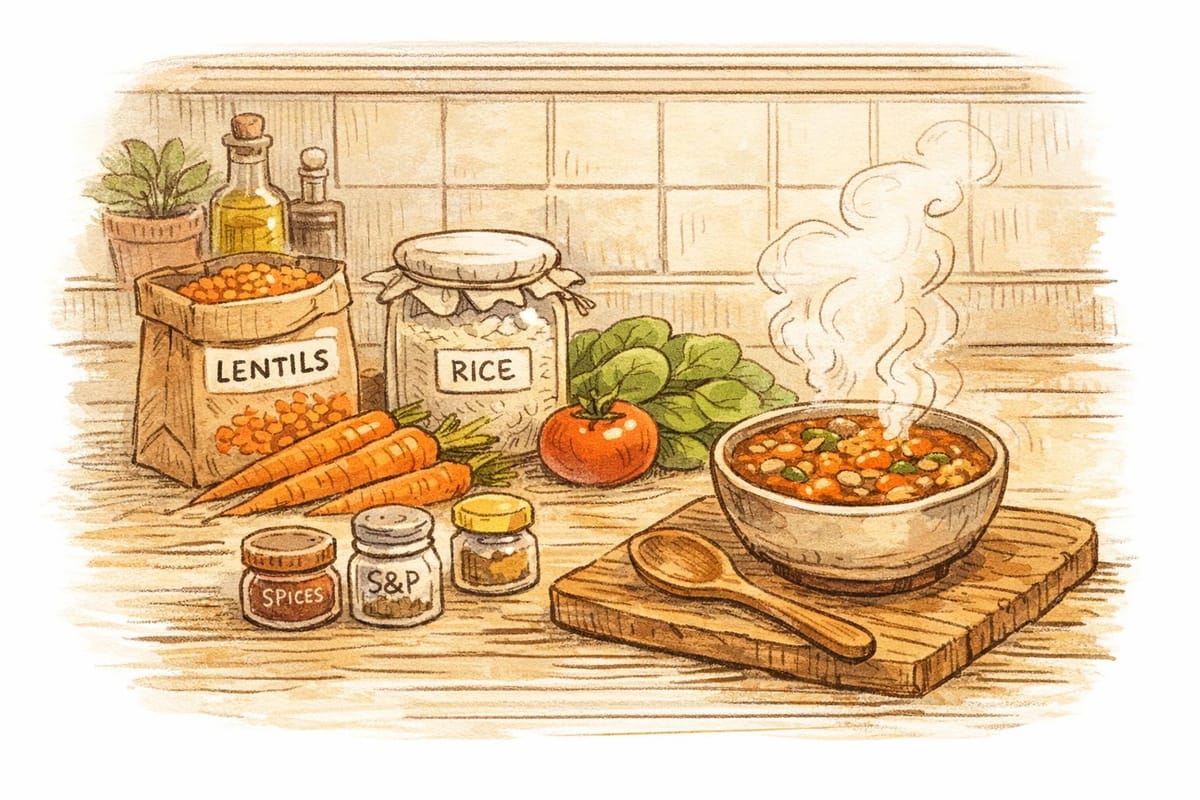
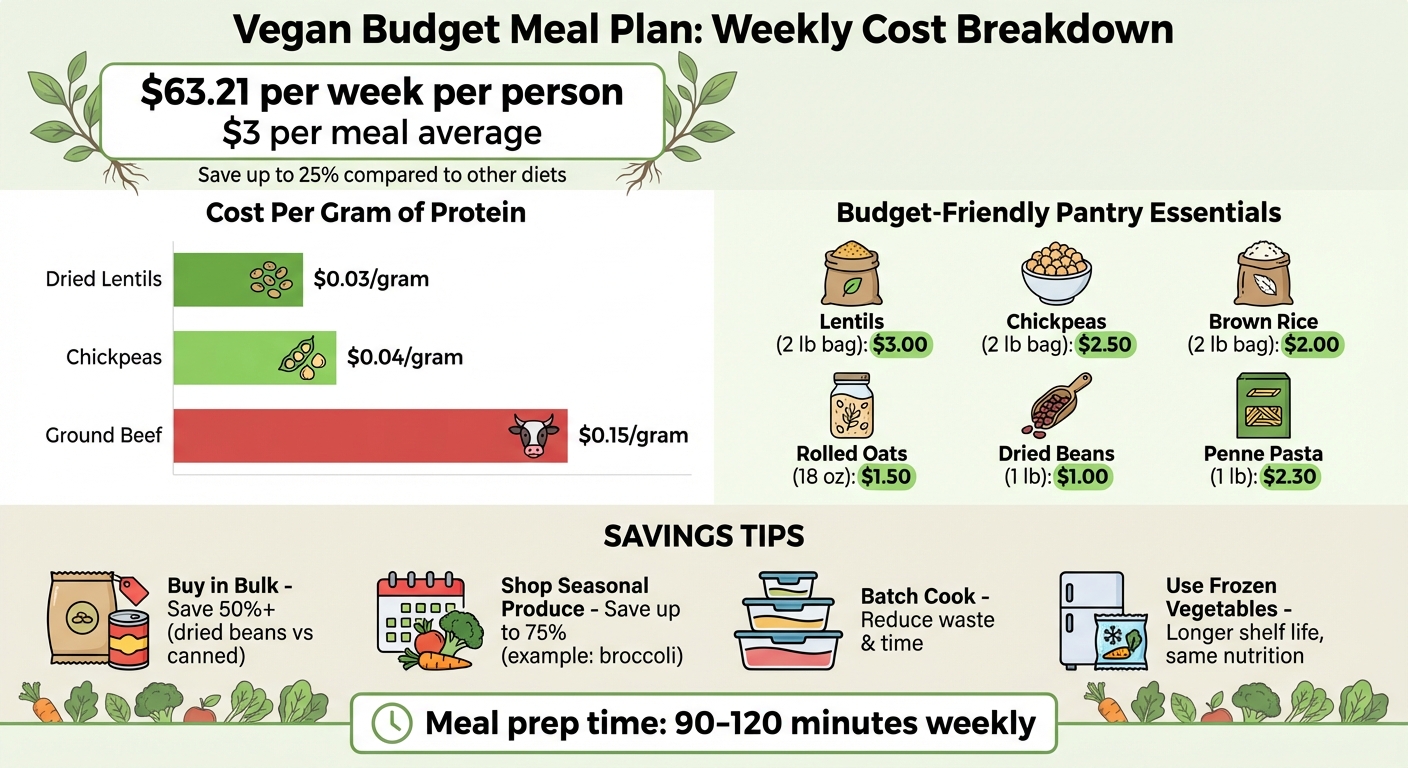
Switching to a vegan diet can save you money and simplify meal prep. A well-planned vegan meal plan costs as little as $63.21 per week per person - about $3 per meal. By focusing on affordable staples like beans, lentils, rice, and seasonal produce, you can cut grocery costs by up to 25% compared to other diets. Tools like Honeydew Recipe Manager make planning and shopping even easier.
Key Takeaways:
- Weekly Cost: $63.21 per person ($3 per meal).
- Affordable Staples: Lentils, chickpeas, brown rice, oats, frozen veggies.
- Meal Prep Strategy: Batch cooking saves time and reduces waste.
- Shopping Tips: Buy in bulk, use seasonal produce, and avoid impulse purchases.
- Helpful Tool: Honeydew Recipe Manager organizes recipes, grocery lists, and substitutions.
This guide outlines a 7-day vegan meal plan, cost-saving tips, and how to make the most of your pantry.
Weekly Vegan Meal Plan Budget Breakdown and Cost Comparison
Budget-Friendly Vegan Staples
Affordable Pantry Staples
Setting up a vegan pantry doesn’t have to break the bank. Staples like dried lentils and chickpeas are excellent protein sources that cost just $0.03 and $0.04 per gram of protein, respectively - much cheaper than ground beef, which averages $0.15 per gram. For instance, you can grab a 2-pound bag of lentils for about $3.00, while the same amount of chickpeas costs around $2.50.
Other essentials include brown rice, rolled oats, and whole wheat pasta, which can serve as the base for countless meals. A 2-pound bag of brown rice costs roughly $2.00, and an 18-ounce container of rolled oats is just $1.50. These grains are versatile enough for everything from hearty breakfast bowls to satisfying stir-fries.
"Vegan food isn't weird. It relies on many of the everyday ingredients you probably have on hand right now." – Joy Manning
To enhance your pantry, consider adding nutritional yeast, soy sauce, and tahini for flavor. Stock up on canned tomatoes, peanut butter, and affordable vegetables like potatoes and onions. Frozen vegetables are another great option - they’re budget-friendly and last longer, making them a smart addition to your shopping list.
Pairing these staples with fresh, seasonal produce creates a solid foundation for a cost-effective vegan meal plan.
Seasonal and Local Produce
While pantry staples are essential, fresh produce adds variety and nutrition to your meals. Buying fruits and vegetables in season can save you a significant amount of money. When crops are plentiful, prices drop - broccoli, for example, can cost up to 75% less during its peak season.
"When food is in season there is often a surplus of it. So, for example, broccoli might be a quarter of the price in season, to outside of its season." – Gemma Hurditch
Focus on hardy, affordable vegetables like carrots, cabbage, and sweet potatoes, which are budget-friendly year-round. Farmers’ markets and Community Supported Agriculture (CSA) programs are excellent ways to access fresh, local produce without paying extra for middleman costs. Planning meals around seasonal availability - like using root vegetables in winter and hydrating fruits such as watermelon in summer - can help you stretch your food budget even further.
Bulk Shopping for Savings
Buying in bulk is another effective way to lower costs while maintaining a vegan lifestyle. Stocking up on grains, legumes, and nuts in larger quantities can lead to major savings. For example, dried beans cost about $1.00 per pound, compared to $2.50 or more for canned beans, saving you over 50%.
Proper storage is key to making bulk purchases last. Dried beans and lentils can be stored in airtight containers in a cool, dark pantry for 1–2 years, while white rice can last several years if kept dry. Nuts and seeds, due to their high oil content, should be refrigerated or frozen to extend their shelf life to about a year, compared to just 3–6 months at room temperature. Labeling containers with purchase dates and using the "First In, First Out" system helps ensure nothing goes to waste.
"A well-stocked bulk pantry means fewer emergency store runs, more control over what you're eating, and the peace of mind that comes with knowing your essentials are covered." – Olives for Dinner
7-Day Vegan Meal Plan with Recipes
Monday to Wednesday: Quick, Nutritious Meals
Start the week with simple, affordable recipes that use overlapping ingredients to save both time and money. For breakfast, make overnight oats using rolled oats (about $5.02 per container) and plant-based milk (around $2.44 for a half-gallon). It’s an easy, budget-friendly way to start your day.
For lunch and dinner, alternate between two staples: hearty lentil soup and a colorful vegetable stir-fry. A pound of dry brown lentils costs roughly $1.42 and can be batch-cooked to provide protein-packed meals for several days. Pair this with a vegetable stir-fry made from frozen vegetables served over brown rice (approximately $0.92 per pound). These dishes rely on affordable staples like lentils, rice, and frozen veggies to deliver variety and nutrition without breaking the bank.
"A whole-food, plant-based diet is not expensive. In fact, plant-based staples such as brown rice, potatoes, and beans are some of the cheapest - and healthiest - ingredients in the supermarket."
– Darshana Thacker Wendel, Chef and Author
This straightforward approach sets the stage for expanding your menu later in the week.
Thursday to Sunday: Varied and Cost-Effective Dishes
As the week progresses, introduce new flavors while sticking to budget-friendly ingredients. For breakfast, swap out the oats for a tofu scramble starting Thursday. This protein-rich dish is quick to prepare and a great way to change things up.
For dinner, try a chickpea curry made with dry chickpeas (roughly $1.46 per pound). Batch-cook it to enjoy multiple meals. Another option is pasta primavera, featuring penne pasta (about $2.30 per pound) and seasonal vegetables. Cook it on Friday, and enjoy the leftovers for Saturday lunch and Sunday dinner. Using ingredients like a single head of broccoli across multiple dishes - stir-fry and pasta, for instance - helps minimize waste and stretch your grocery budget.
The trick is to cook in larger portions and rely on leftovers to simplify meal prep.
Using Honeydew Recipe Manager for Meal Prep
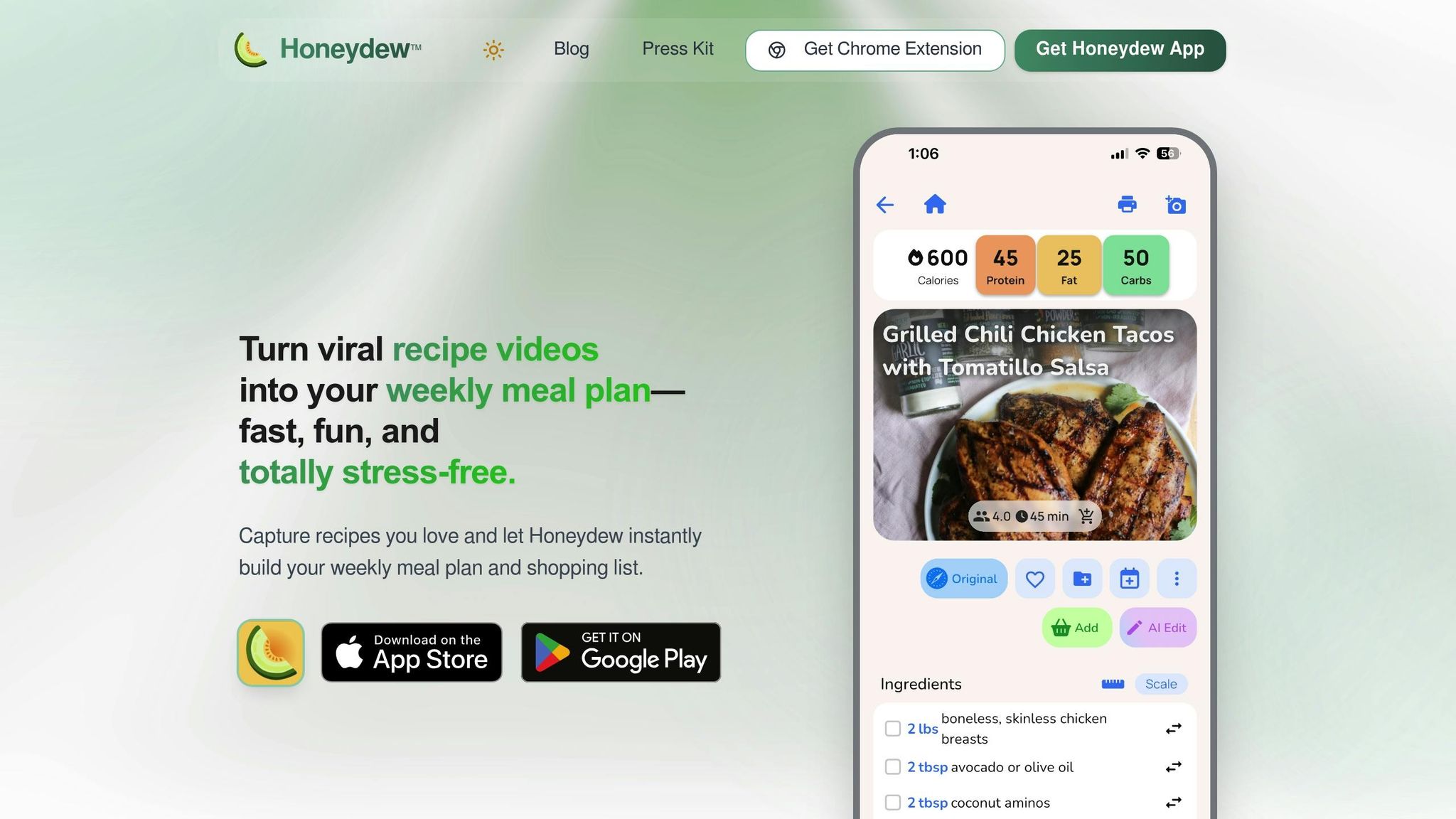
To make meal planning even smoother, consider using a tool like Honeydew Recipe Manager. This app allows you to import an entire week’s worth of recipes from social media or websites in seconds. It even generates a grocery list organized by store sections, so you’ll know exactly what to buy and where to find it.
Honeydew also helps you save money by suggesting ingredient substitutions. If a recipe calls for something pricey, the app recommends alternatives you might already have in your pantry. Plus, its search-by-ingredients feature lets you discover new recipes based on what’s already in your kitchen. With household sharing for up to six family members, everyone can access the shared meal plan and grocery list, making it easier to coordinate meals and cooking tasks.
(All pricing details are based on estimates from.)
How to Create Your Shopping List and Stick to a Budget
Auditing Your Pantry and Freezer
Before jotting down a single item for your shopping list, take about 30 minutes to audit your pantry, fridge, and freezer. Open every cabinet and check every shelf to spot items you may have forgotten about. This step helps you avoid buying duplicates and lets you plan meals around what you already have on hand.
Pay attention to expiration dates on spices, oils, and grains, and make a note of anything that needs to be used soon. These items can serve as the starting point for your meal plan for the week. Once you’ve got a clear picture of your inventory, you’ll be ready to plan your shopping list more effectively.
Smart Shopping Strategies
Start by planning your meals and then list only the ingredients required. This method makes it easier to stick to your budget.
When shopping, compare unit prices to find the best deals. Check the cost per ounce or pound on shelf labels - it’s a reliable way to stretch your dollars [29, 31]. For instance, dried lentils cost about $0.03 per gram of protein, while ground beef is closer to $0.15 per gram. Buying shelf-stable items like rice, oats, and dried beans in bulk can also cut down on packaging costs [7, 29, 31].
Look for savings at discount stores like ALDI and keep an eye on weekly sales. Frozen fruits and vegetables are another smart choice - they’re often cheaper, picked at their peak, and last longer without spoiling [7, 29, 31]. Opt for store-brand or generic products for staples like pasta, canned tomatoes, and spices to avoid paying for flashy branding.
"The number one way to save money on groceries is (and will always be!) to create a meal plan and grocery list and stick to it."
– Faithful Plateful
Also, avoid shopping on an empty stomach - it’s a surefire way to end up with a cart full of pricey snacks. Once you’ve got your list ready, you can make your shopping even smoother with the right tools.
Using Honeydew Recipe Manager for Efficient Shopping
The Honeydew Recipe Manager app takes the hassle out of grocery shopping by creating organized lists directly from your recipes. It sorts items by store section, so you can quickly find what you need without wandering aimlessly through the aisles. This helps save time and cuts down on those tempting impulse buys.
Honeydew’s Instacart integration is especially helpful for budgeting. It lets you track your total spending in real time before you check out, so you can ensure you’re sticking to your weekly budget. You can also share your list with up to six family members, making it easy to coordinate shopping trips. Plus, its smart substitution feature helps you adjust your meal plan without overspending.
Meal Prep and Leftovers Strategy
Batch Cooking Basics
Set aside 90–120 minutes over the weekend to prep the majority of your meals for the week [10, 27]. Start with the items that take the longest to cook - like dried beans or brown rice. While those simmer, tackle tasks that require more hands-on effort, such as chopping vegetables or blending sauces.
Prepare individual meal components in large batches. Cook staples like lentils, chickpeas, and quinoa, and roast vegetables at 400°F–425°F on sheet pans. Whip up versatile sauces, such as peanut sauce or hummus, to add variety to your meals throughout the week [7, 9, 10, 27, 38].
"Batch cooking is the foundation of successful budget meal prep." – MyVeganCalculator
Doubling recipes is another smart move, allowing you to stretch meals across multiple days. This approach not only saves time but also helps reduce waste and keeps costs in check [7, 27].
Storing and Reusing Leftovers
Once your batch cooking is done, proper storage is key to making your efforts last. Store cooked grains and legumes in airtight containers - they'll stay fresh for 5–7 days. Pre-prepared meals, on the other hand, should be consumed within 3–4 days. If you’re planning meals for the entire week, freeze portions for days 5–7 right after cooking to avoid spoilage [9, 22].
Leftovers don’t have to feel repetitive. Get creative by turning them into entirely new dishes. For example, mix cooked quinoa or rice with beans and sweet potatoes to form veggie burger patties. Thick vegetable soups can double as pasta sauces, and dry curries make excellent wrap fillings [39, 40]. If you're prepping salads in Mason jars, place the dressing at the bottom to keep the greens crisp until you're ready to eat.
For optimal texture, store grains, vegetables, and sauces separately. This prevents sogginess and keeps everything fresh. Reinvent your meals throughout the week with bold sauces or crunchy toppings like seeds or dukkah to give the same base ingredients a new twist [41, 43].
Maximizing Time with Honeydew Recipe Manager
To streamline your meal prep even further, consider using tools like the Honeydew Recipe Manager. This app organizes recipes, tracks what you’ve already prepared, and helps you create weekly plans in seconds with its AI-powered meal planner. Its smart serving size scaling feature makes it easy to double or triple recipes without any guesswork.
Honeydew also includes a pantry tracking tool, which keeps tabs on what’s in your fridge and freezer. This makes it easier to plan leftover transformations before ingredients go bad. When you're ready to repurpose leftovers, the "search by ingredients" function suggests recipes based on what you already have. Plus, the ingredient substitution feature offers alternatives, so you can make the most of limited leftover components. It's a great way to ensure nothing goes to waste while keeping your meals exciting.
$16 = TWENTY MEALS 🌱 | Budget-Friendly Vegan Meal Prep (Under $1 Each!)
Smart Ingredient Substitutions and Flexibility
When you're sticking to a budget, making thoughtful ingredient swaps can help keep your vegan meals both flavorful and affordable. These substitutions not only stretch your dollar but also ensure you maintain a variety of nutritious options.
Common Vegan Swaps
Simple ingredient swaps can save money without sacrificing taste or nutrition. For example, instead of spending on processed vegan burgers, try whole-food alternatives. Cooked brown lentils can replace ground beef in dishes like tacos or bolognese, while crumbled tofu works well in chili. Chickpeas are another versatile option, offering a texture similar to chicken in curries and stir-fries.
Dairy substitutes are also easy to incorporate. Soy milk and oat milk are excellent for cooking and baking, with soy milk closely matching the nutritional profile of low-fat cow's milk. For recipes requiring butter, neutral oils like vegetable or canola oil work well, and applesauce can be a great choice for oil-free baking. Nutritional yeast adds a cheesy, savory flavor and provides a source of B12. For a ricotta-like texture in lasagna or stuffed shells, mix crumbled extra-firm tofu with nutritional yeast.
"Your first thought... might be to reach for one of the many faux meats or cheeses... But if you're looking to improve your health, we encourage you to steer clear of highly processed products and instead make a recipe vegan and healthy with simple substitutions." – Mary Margaret Chappell, Author and Chef
For binding, combine 1 tablespoon of ground flaxseed with 3 tablespoons of water to create a flax egg. Need moisture? Use 1/4 cup of mashed banana or pumpkin puree. Aquafaba - the liquid from canned chickpeas - can stand in for egg whites in recipes like meringues or mayonnaise, making it a versatile and affordable option.
Using Pantry Staples Creatively
Your pantry can be a lifesaver when fresh produce is either unavailable or too pricey. Staples such as brown rice, potatoes, and dried beans are budget-friendly and form the foundation for countless meals. For example, cooked potatoes or rice can bulk up bean-based burger patties or casseroles, helping your ingredients go further. Adding peanut butter to curries enhances creaminess while boosting protein content.
Frozen vegetables are another cost-effective option, offering the same nutritional value as fresh produce but with a longer shelf life. For instance, frozen broccoli is often cheaper than fresh broccolini, and frozen berries are a great alternative to out-of-season fresh ones. If a recipe calls for a specific vegetable you don’t have, versatile options like carrots, sweet potatoes, or onions can easily step in for stews and stir-fries. Additionally, swapping pricey pine nuts for walnuts in pesto or other Mediterranean dishes can lead to noticeable savings.
With these resourceful swaps, your meal planning becomes even more efficient when paired with the right tools.
Honeydew Recipe Manager's Smart Substitution Feature
Taking your substitution game to the next level, the Honeydew Recipe Manager makes these swaps even easier. This app not only helps you organize meal plans but also suggests ingredient alternatives based on what’s already in your pantry. Its "search by ingredients" feature lets you find recipes that use up what you have on hand, reducing waste and cutting down on unnecessary grocery trips. The app also tracks your pantry inventory and adjusts ingredient quantities automatically when scaling recipes, making it simple to double or triple your favorite dishes. With Honeydew Recipe Manager, keeping your vegan meal plan flexible, affordable, and stress-free has never been easier.
Conclusion
A well-thought-out vegan diet can be both budget-friendly and packed with nutrients. Chef Darshana Thacker Wendel captures this perfectly: "A whole-food, plant-based diet is not expensive. In fact, plant-based staples such as brown rice, potatoes, and beans are some of the cheapest - and healthiest - ingredients in the supermarket". With a solid meal plan in place, you can keep weekly costs manageable while enjoying a nutritious and economical way of eating.
The secret to making this work lies in smart meal planning. By planning your meals ahead of time, you can buy in bulk, cut down on food waste, and make sure every ingredient serves multiple purposes. This method not only saves money but also ensures your meals are balanced and varied. Grocery shopping becomes less of a hassle and more of a purposeful activity, helping you stick to your budget and dietary goals.
To make meal planning even easier, Honeydew Recipe Manager steps in as a game-changer. Instead of dedicating hours to planning meals and creating grocery lists, this app handles it all in just minutes. It automates meal planning, organizes shopping lists, and even suggests recipe substitutions to minimize waste. Plus, its AI features recommend dishes based on what you already have and include built-in nutrition tracking to keep your health goals on track without extra effort.
Whether you're just starting with plant-based eating or you're a long-time vegan looking to save time and money, combining strategic planning with tools like Honeydew Recipe Manager can make all the difference. You’ll enjoy affordable, delicious meals, reduce waste, and eliminate the stress of daily dinner decisions.
FAQs
What are some tips for sticking to a budget while following a vegan meal plan?
To stick to a budget while following a vegan meal plan, focus on cost-effective essentials like grains, beans, and oats - and whenever possible, buy them in bulk. Incorporating whole foods and frozen fruits and vegetables can also help stretch your dollar since they tend to be less expensive and have a longer shelf life. Planning meals ahead of time is key to avoiding spur-of-the-moment purchases and minimizing food waste. Plus, keeping an eye out for sales and choosing seasonal produce can make a big difference in lowering your grocery bill.
For an extra hand with meal planning, try the Honeydew Recipe Manager. This tool lets you import recipes, quickly generate grocery lists, and even swap out ingredients to match your budget - all while keeping your meals plant-based and well-balanced.
What are some easy vegan substitutes for common animal-based ingredients?
Swapping animal-based ingredients for plant-based ones can be easy and cost-effective with a few clever substitutions. For butter, you can use plant-based margarine made from sunflower, canola, or olive oil - it works as a 1:1 replacement for baking, cooking, or spreading. Other alternatives include coconut oil for a hint of tropical flavor, olive oil for savory recipes, mashed avocado for added creaminess, or unsweetened applesauce as a low-fat binder in baked goods.
When it comes to dairy, plant-based milks like soy, oat, or almond are excellent substitutes for traditional milk. Need an egg replacement for baking? A mix of flaxseed or chia seed with water does the trick. For a cheesy flavor, nutritional yeast or cashew-based recipes are reliable options. And if you're looking to replace honey, maple syrup or agave nectar are great choices. Tools like Honeydew Recipe Manager can also help you discover substitutions based on what’s already in your pantry, making it easier to stick to a vegan lifestyle without breaking the bank.
How can the Honeydew Recipe Manager make vegan meal planning and budgeting easier?
The Honeydew Recipe Manager takes the hassle out of vegan meal planning. It lets you import recipes from virtually any source and transforms them into a personalized weekly meal plan using AI. Plus, it creates detailed grocery lists with adjustable serving sizes and smart ingredient swaps to help you save money and cut down on food waste.
One standout feature is its one-click Instacart integration, making it easy to order all your ingredients without leaving the app. Whether you're just starting your plant-based journey or you're a seasoned vegan, Honeydew streamlines meal prep, saving you time, effort, and money.